
Passivation of metals: What buyers need to know
 by Facturee editorial team
Passivation reliably protects metal components against corrosion, chemical influences and wear - and is often indispensable in industry. But which process is suitable for which material? And what do buyers need to look out for when tendering and selecting suppliers? Everything you need to know about the passivation of metals - compact and practical.
What is metal passivation?
Passivation is a surface treatment process in which a thin, stable protective layer is created on a metallic surface. This layer usually consists of oxides or salts. It is created by a chemical reaction between the material and the environment. It provides reliable protection against corrosion, chemical influences and wear.
Passivation is therefore a key process for metallic materials in mechanical engineering, medical technology and the food industry. Wherever components need to function reliably over the long term.
The passive layer is created either naturally through contact with oxygen. Or it is created specifically through chemical treatment or electrochemical processes.
There is a clear distinction between activation and passivation. While passivation builds up a protective layer, activation describes the exact opposite. Here, the protective layer is specifically removed or broken up in order to make the metallic surface reactive. This is necessary, for example, in preparation for welding, soldering or coating processes.
In surface technology, activation and passivation therefore often go hand in hand. First, the surface is activated to enable good adhesion or reaction. The surface is then passivated to permanently protect the component.
Advantages and disadvantages
| Advantages | Disadvantages |
| Significantly improved corrosion resistance, even in aggressive environments | Passive layers are thin and can fail in the event of mechanical damage |
| Extended service life of components and structures | Post-processing such as welding or grinding destroys the coating |
| Improved appearance thanks to uniform, clean surface | Not every process is suitable for every material |
| Food and medicine compliant with suitable procedures | Process chemicals require proper handling and disposal |
| More cost-effective than many coating alternatives |
Passivation variants and processes
In passivation, a basic distinction is made between electrochemical and chemical processes:
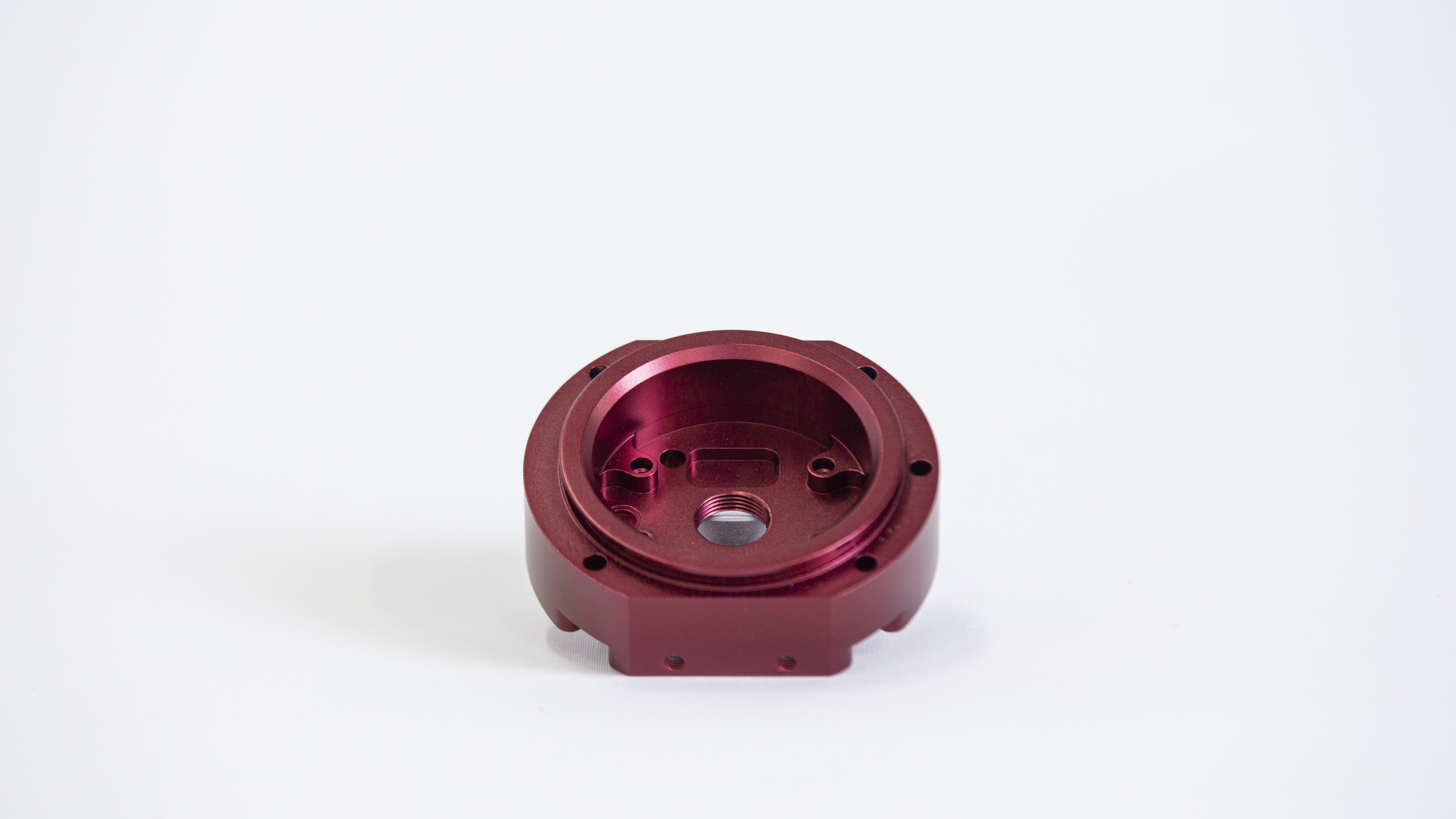
Electrochemical passivation (anodizing) is mainly used for aluminium. The targeted flow of current in an electrolyte bath creates a thicker, harder oxide layer, which can also be colored.
Chemical passivation is carried out by immersing the component in an acid solution, typically nitric acid or citric acid. Free iron and impurities are removed from the surface, which strengthens the natural chromium oxide layer on stainless steel. This results in improved corrosion protection.
Phosphate conversion coating serves as a primer for paints and oils, especially on steel, and creates a corrosion-inhibiting phosphate layer. It is the economical solution for steel.
Passivation of metals: All materials
Passivation of aluminum
Aluminum naturally forms a thin oxide layer. Anodizing (anodizing) thickens this layer in a controlled manner, which significantly improves hardness and corrosion resistance. Typical layer thicknesses: 5-25 µm for technical applications, up to 25 µm for architectural applications.
Passivation of stainless steel
For stainless steel, the main aim is to regenerate the natural chromium oxide layer - for example after machining or welding. Citric acid passivation is the preferred process today, as it is more environmentally friendly than nitric acid. The result: maximum corrosion resistance without changing the appearance.
Passivation of steel
Unalloyed steel does not form a stable natural passive layer. Phosphating is the most common process here - it protects the surface and serves as a primer for paints or oils. For higher requirements, steel is galvanized and then passivated.
Passivation of titanium
Titanium almost passivates itself in many environments. The natural TiO₂ layer is extremely stable and biocompatible - which is why titanium is indispensable in the implant and medical sector. Targeted passivation through anodic oxidation further enhances these properties.
Passivation of magnesium
Magnesium is particularly susceptible to corrosion. Passivation - for example by chromating or modern Cr(VI)-free alternative processes - is absolutely essential here. Important: Magnesium alloys react sensitively to incorrectly selected process chemicals.
Alternatives to passivation
If you cannot or do not want to use passivation, you have the following alternatives:
- Galvanic coatings (nickel plating, chrome plating): higher protection, but also higher costs
- Painting and powder coatinggood barrier effect, but less suitable for precision components
- PVD/CVD coatingsextremely hard and wear-resistant, but costly
- Corrosion-resistant base materials: sometimes the more economical overall solution
Important standards and procedures for purchasers
The following standards apply to passivation as a basis for tenders:
- ASTM A967Standard norm for chemical passivation of stainless steel
- AMS 2700Aerospace standard for passivation
- DIN EN ISO 16048Passivation of zinc coatings
- DIN 50939Phosphating of iron and steel
The following questions should be asked at the supplier meeting: Which standard is complied with? How is the coating tested (e.g. salt spray test according to DIN EN ISO 9227)? Which certifications are available (ISO 9001, NADCAP)?
Costs and tendering tips
The costs for passivation vary depending on the process, material and component geometry. For example, the chemical passivation of stainless steel for series parts can typically be relatively inexpensive. However, special geometries and small quantities can result in significantly higher prices.
The following are required for a complete tender:
- Material specification with alloy designation
- Desired procedure or applicable standard
- Component drawing with dimensions and tolerances
- Requirements for testing and documentation
- Quantity, delivery date and packaging specifications
Tip: Parts that are machined after passivation must be passivated again. This should be taken into account in the production plan.
Passivation: Industries & Applications
Passivation is relevant across all industries:
- Medical TechnologyImplants, surgical instruments, housings
- Food industryTanks, pipelines, conveyor technology made of stainless steel
- Mechanical engineeringPrecision components, hydraulic components
- AutomotiveConnecting elements, chassis components
- AerospaceHighly stressed structural components made of titanium and aluminum
Passivation is an indispensable production step wherever corrosion, hygiene or a long service life are crucial.
Passivation with FACTUREE
As a digital procurement platform for drawing parts, FACTUREE offers access to a qualified network of specialized contract passivators. These companies undertake passivation, from individual components to series production.
Whether chemical passivation with citric acid, nitric acid passivation or phosphating: At FACTUREE, we find partners with the right process, the right certification and free capacity.
Are you looking for passivation near you? For inquiries such as passivation in Berlin or other locations, we will find the right contract coater for you without any detours - regionally, nationwide or internationally.
In addition to the passivation of stainless steel, we also cover other materials: passivation of aluminium, titanium, steel and magnesium - as well as specialized processes for the automotive, aerospace and medical technology industries.
Your advantages with procurement via FACTUREE: Qualified network of certified electroplating companies (DIN EN ISO 9001, NADCAP, etc.) Quick quotations for standard and special coatings | Transparent specific requirements directly in the inquiry Support with the selection of standards (DIN EN ISO 4042, DIN 50961 etc.) Flexibility with quantities: Prototype to large series