FACTUREE Strengthens Resilient Procurement for the Security and Defense Industries
 by Chantal Kasper
Brief portrait of FACTUREE
FACTUREE offers a future-oriented all-in-one solution for the fast, reliable and up-to-date procurement of all types of drawing parts from a single source. With a network of over 2,000 manufacturing partners and around 15,000 machines, the company covers all common processes such as CNC machining, sheet metal processing, 3D printing and casting. From prototypes to large-scale production, FACTUREE offers maximum delivery capability and resilience for industries such as mechanical engineering, automotive and aviation. Its customers include well-known companies such as Siemens as well as SMEs and research institutions.
Further information: www.facturee.de
Stay in the loop
The ramp-up of the European security and defense industry is increasing the demand for qualified manufacturing capabilities for custom-designed parts. At the same time, companies must ensure delivery reliability, compliance with regulations, and data sovereignty. FACTUREE supports customers in this sector with a digital procurement model and a network of more than 2,000 vetted manufacturing partners. As the sole contractual partner, FACTUREE consolidates supplier selection, manufacturing, quality assurance, documentation, and delivery through a central interface.
Security of supply is one of the key requirements in the defense sector. Supply disruptions, capacity bottlenecks, or missing certifications can disrupt entire value chains.
„A major risk is dependence on individual manufacturers. They must not become a single point of failure. That’s why our anti-single-source strategy integrates alternative manufacturing sources early in the procurement process,“ explains Moritz König, CEO of FACTUREE.
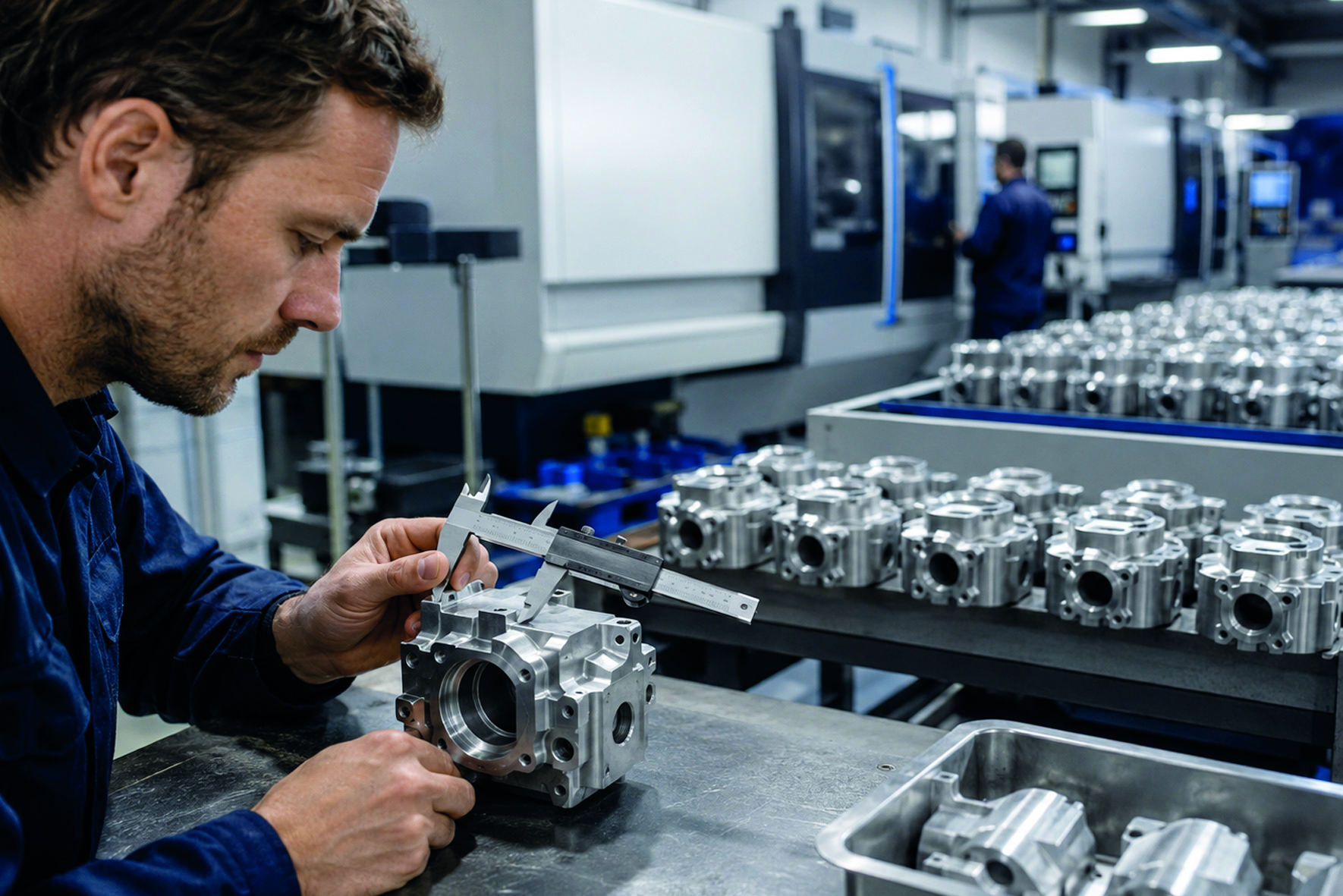
FACTUREE handles the procurement of precision parts and parts manufactured to drawings—even for projects with heightened requirements for on-time delivery, quality, and documentation. The network helps reduce reliance on individual suppliers. If a manufacturing partner becomes unavailable or a bottleneck arises, FACTUREE falls back on alternative, pre-vetted partners. Furthermore, additional demand can be scaled quickly through the network without having to qualify new suppliers or rebuild existing supply chains.
Compliance starts with supplier selection
In addition to security of supply, compliance with regulatory requirements plays a central role in the defense sector. Certificates, material certificates, and test reports are key factors in the supplier selection process and determine whether an order can be awarded with confidence. Depending on the project, ITAR-compliant supply chains and the BAFA-compliant structuring of export and delivery processes also play an important role.
FACTUREE reviews, on a project-by-project basis, which manufacturing partners provide the required documentation. Depending on the application, these include, for example, ISO 9001, AS 9100, or EN 9100 for aerospace applications; material certificates in accordance with EN 10204; and first-article inspections in accordance with AS 9102, DE 9102, or EMPB. For special processes, welding operations, or surface treatments, additional requirements such as NADCAP, DIN 2303, or VG standards may apply.
„In the defense sector, documentation is essential for procurement to function properly. Customers must be able to trace which partner manufactured a component, what supporting documentation is available, and whether the requirements are met at the component level,“ explains Moritz König.
Full compliance and full traceability are therefore taken into account early in the procurement process. FACTUREE is continuously refining its processes in this area—including through automated compliance filters during supplier selection and comprehensive documentation at the component level.
Data sovereignty and European supply chains are becoming increasingly important
Design data and project information are particularly sensitive in the defense sector. FACTUREE uses system-level anonymization and strict data segregation. Manufacturing partners receive only the information necessary to carry out the respective project. In addition, FACTUREE operates an ISO 27001-certified information security management system.
The origin of suppliers also plays an important role in many projects. FACTUREE has a global network and engages manufacturing partners from Europe or the NATO area on a project-by-project basis when supply chain, sovereignty, or compliance requirements so dictate. This allows for the individual adaptation of requirements related to supply chains, data sovereignty, and industrial sovereignty.
Production Capacity for Ramp-Up and Obsolescence Management
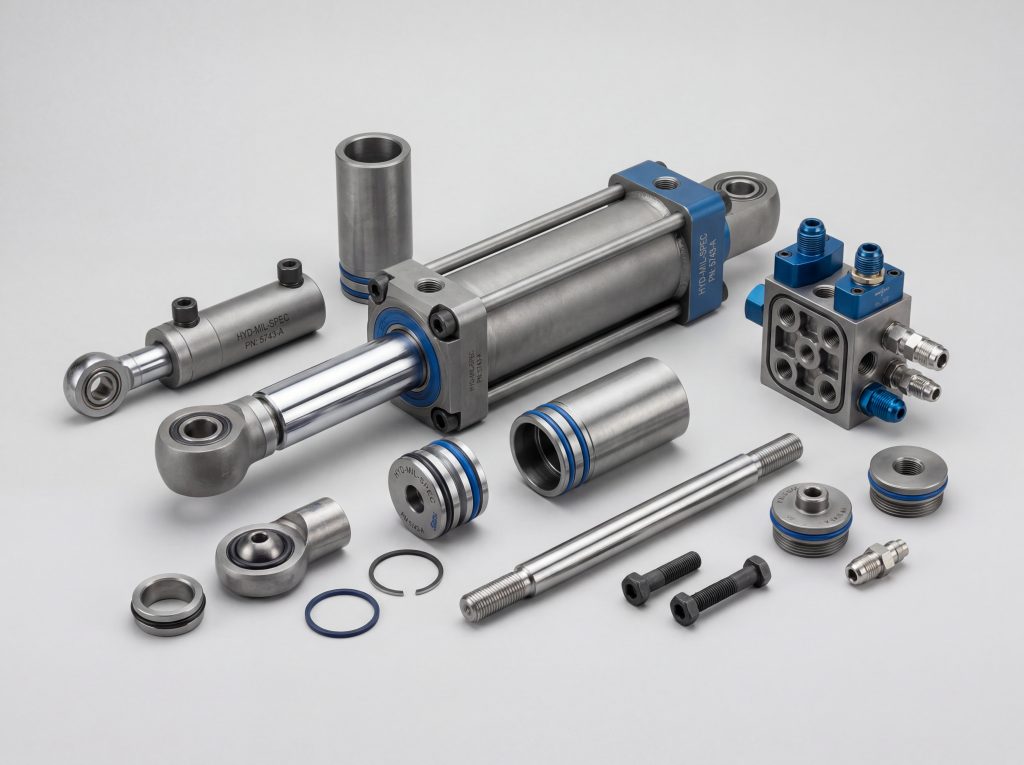
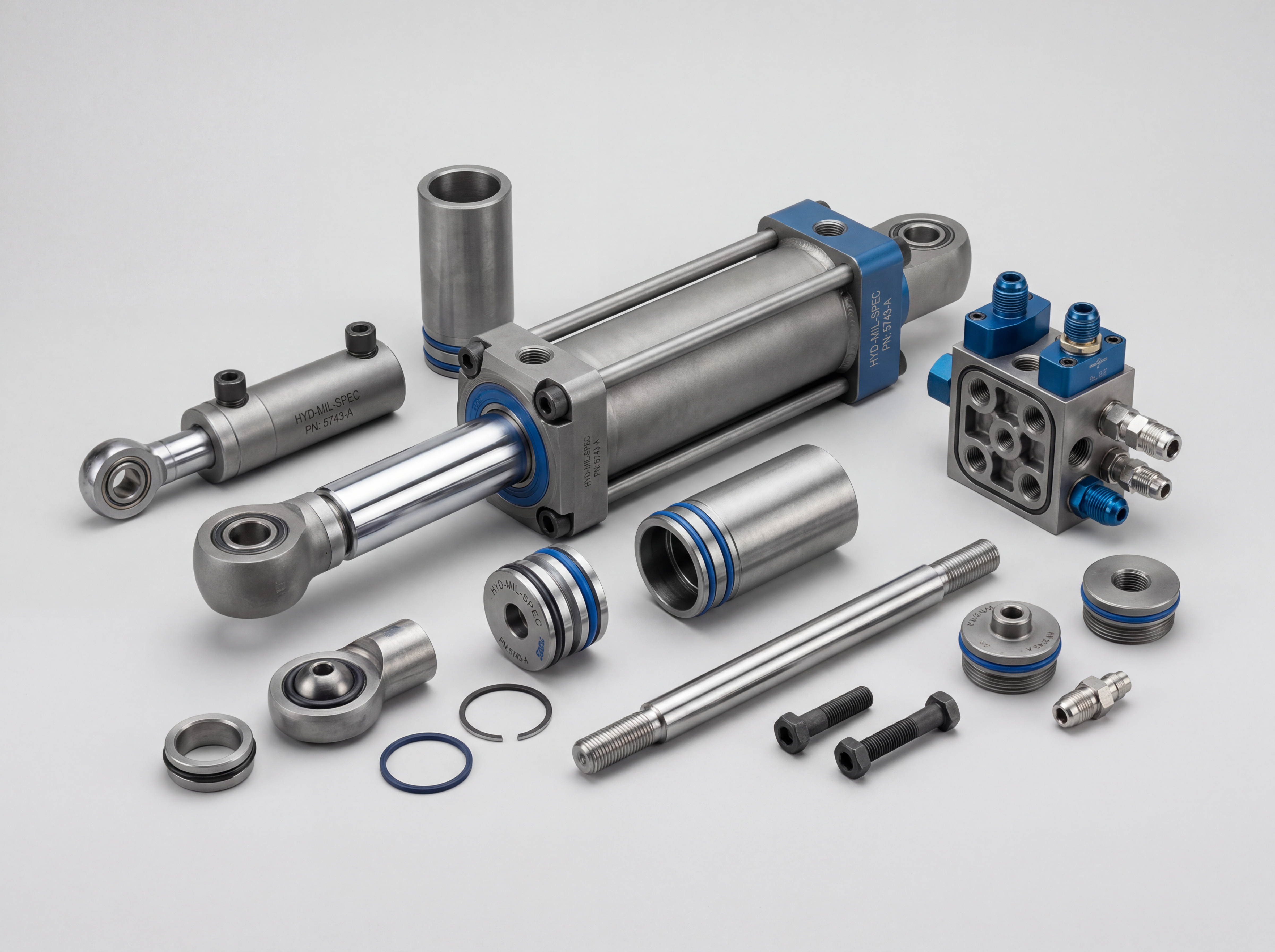
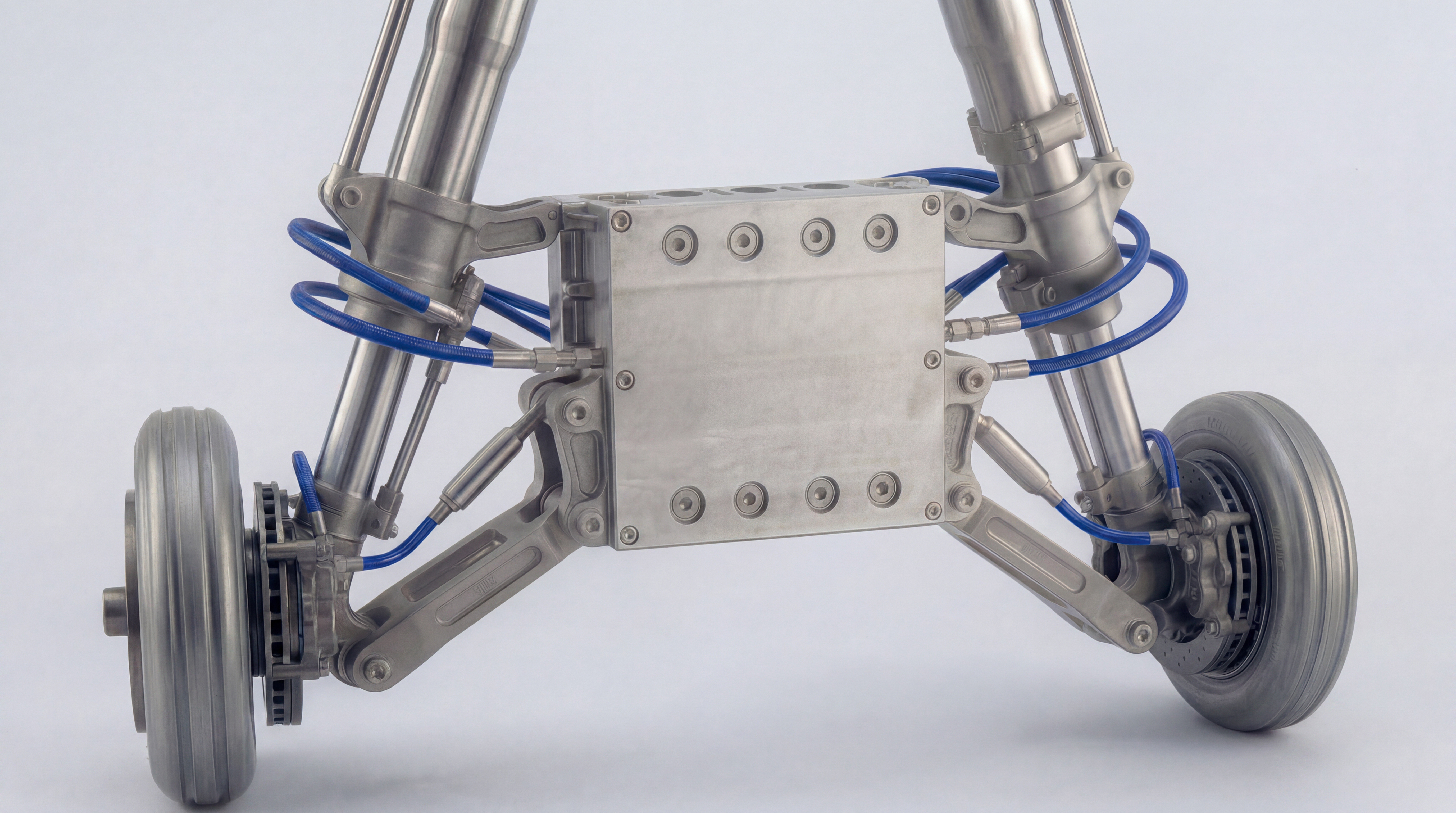
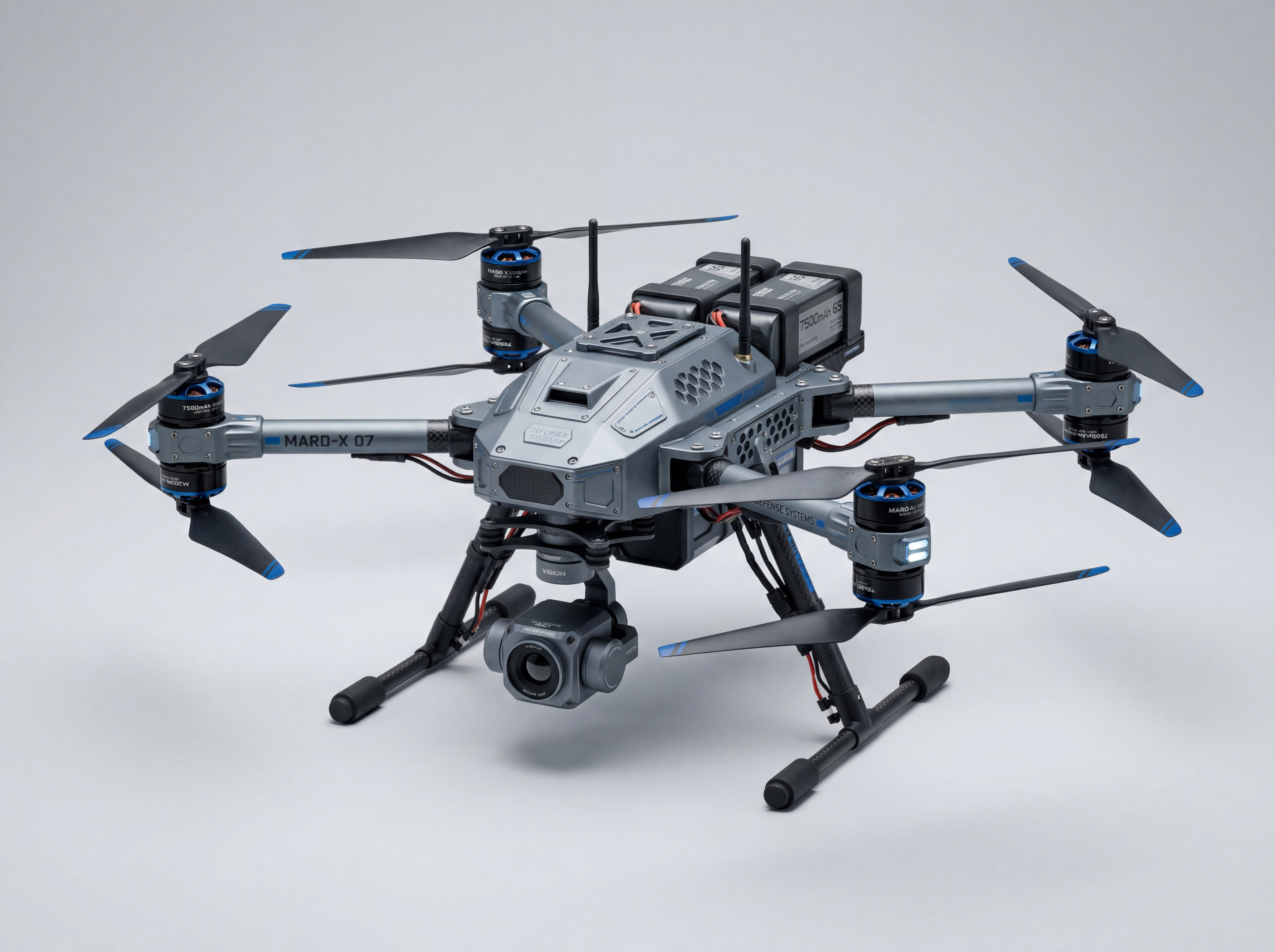
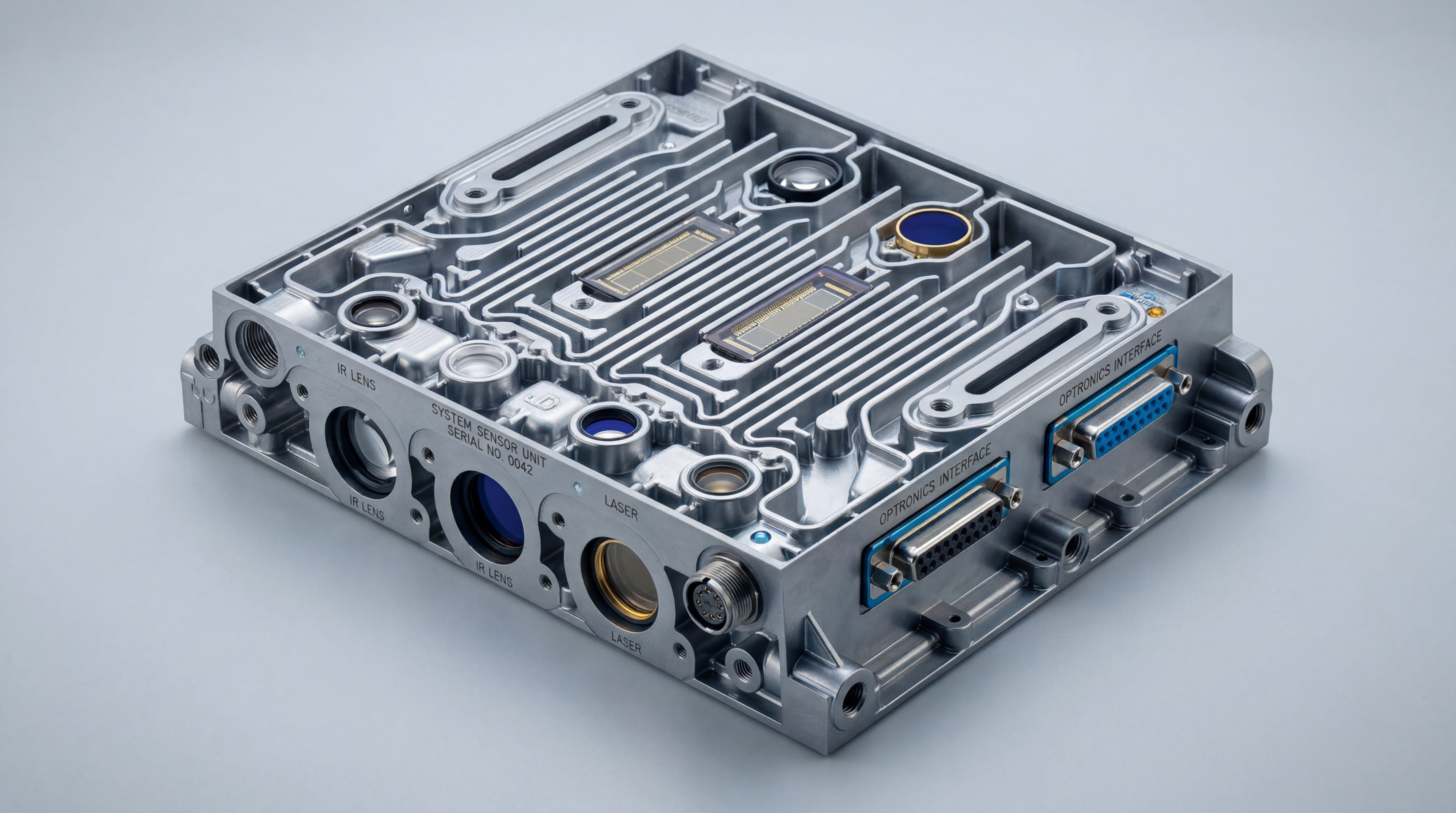
In the defense sector, there is demand for, among other things, CNC-machined turned and milled parts, sheet metal bending parts, structural components, precision housings, and lightweight components made of aluminum, titanium, or Inconel. In addition, additive manufacturing is gaining importance—particularly for prototypes, small production runs, and the reproduction of replacement parts when original suppliers or components are no longer available. Furthermore, many clients in the defense sector provide their own materials and contract out only the manufacturing process.
One example of its use in safety-critical applications is the collaboration with Becker Avionics. The company develops communication, navigation, and surveillance systems for aviation and ground operations. FACTUREE supplies complex CNC-machined turned and milled parts as well as sophisticated sheet metal bent parts for these systems and manages manufacturing, surface treatment, certification, and logistics through a centralized procurement process.
„For the European security and defense industry, it is becoming increasingly critical how quickly procurement can respond to new needs and how robustly traceability is established throughout the supply chain,“ says Moritz König. „Many of the manufacturing processes and materials we source today for safety-critical applications are already in use in civilian industries. These dual-use structures allow us to draw on existing manufacturing networks rather than having to build new supply chains from scratch. This ensures speed, scalability, and security of supply."